

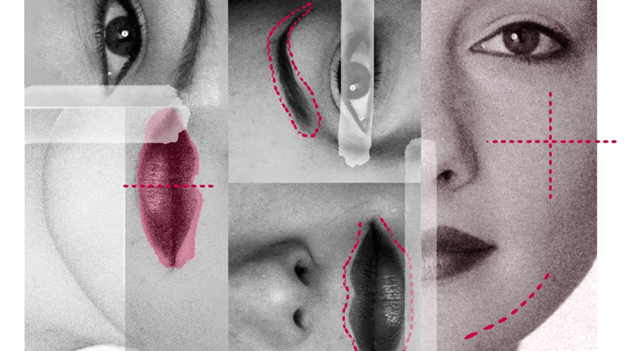
Have you ever noticed yourself in the mirror and said, “I look tired and old, but do not want to have surgery and look as though I have had anything done”? If so, you are not alone – that is among the top concerns patients voice in their consults. The worry about looking too surgical, too done, or too unnatural has stopped many people from considering a procedure.
The Quiet Facelift is here for those people.
What Is a Quiet Facelift?
Undetectable facelifts, often referred to as quiet facelifts, natural facelifts, or a specialized form of cosmetic procedure meant to give you back the youthfulness of your face while retaining what matters most, your own likeness. Instead of pulling skin tightly to remove all signs of wrinkles, this type of treatment helps you retain a look that seems effortless and completely natural.
The point is obvious; no one will realize that anything has been done. Yet looking 10-15 years younger.
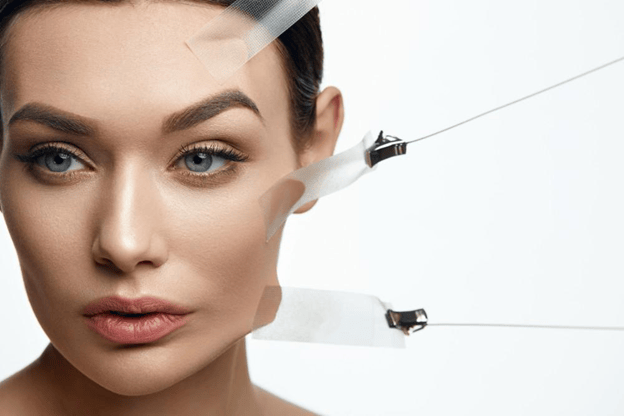
Who is the ideal candidate for a Quiet Facelift?
This type of surgery suits best those patients who are:
-
Aged around their 40s, 50s, or 60s, showing early or moderately advanced signs of aging on the face
-
Facing signs such as jowling, loose jawline, or sagging of the mid-face and neck
-
Afraid of looking stretched or unnatural following surgery
-
Looking for permanent results that cannot be achieved through nonsurgical procedures only
-
Enjoying an active and social lifestyle and not wanting much postoperative downtime or recovery period
Whether you’re a working individual or enjoying your retirement, a Quiet facelift can help you achieve your goals. 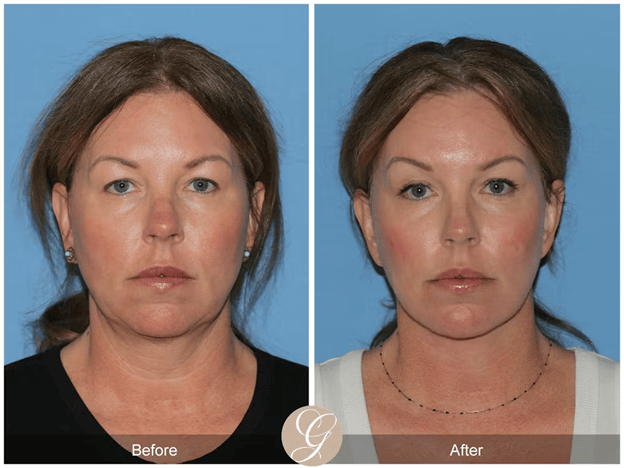
What Makes the Quiet Facelift Differ from a Traditional Facelift?
While traditional facelifts in the olden days have mostly relied on skin tension, stretching the skin as tight as possible to eliminate wrinkles, they had some major drawbacks. Although they produced immediate results, the problem was the unnatural “windswept” appearance, which most patients were scared of.
The new era in modern surgery is more about knowledge of facial anatomy, and especially the concept of the Undetectable Facelift emphasizes this point. Aging does not affect the face only at the level of the skin, but also the fat compartments, which become empty and saggy; muscle tone decreases, and the whole face transforms into something new that requires a comprehensive treatment to improve facial features in a harmonious way without affecting facial movement and expression, looking youthful and soft.
In general, the Quiet Facelift or Undetectable Facelift includes the following:
Mobilizing the SMAS facelift via a Deep Plane Lift: Instead of working with the skin itself, the deeper structures consisting of muscles and fascia (also called SMAS - superficial musculoaponeurotic system) are mobilized to the original position where tissue resided 10-15 years ago.
Volume Augmentation Techniques: In some cases, fat injections or fat grafting can be added to the procedure to achieve fuller and more youthful facial contours (cheeks, temples, under eyes), while at the same time avoiding overly plump and unnatural results.
Incision Point Placement: Incisions are made along the natural lines of the ear, hair line, and behind the ear, which makes them inconspicuous and invisible after healing.
Skin Re-Attachment Without Excess Tension: With the proper structural correction achieved, the skin will then be draped gently, without any strain or stress.
Consultation: Begin Your Journey to Quiet Facelift Success
Success begins with proper consultation. During your visit with me, you will get an opportunity to talk about your concerns, expectations, and your life in general. I analyze your face in great detail, paying attention to the quality of your skin, the structure of your bones, your fat distribution, and muscle tone in order to develop an individualized surgical treatment plan.
There is no generic surgery here, only art in the form of your custom-made Quiet Facelift.
Facelifts are among the most challenging procedures in the field of plastic and cosmetic surgery; the difference between a natural look and an exaggerated appearance boils down to the skills and approach of the plastic surgeon conducting your procedure. As someone who has spent his whole career doing nothing but advancing the state-of-the-art of these surgeries, I have a unique appreciation for this truth.
Indeed, I would be happy to inform you that I was the first surgeon to publish the Preservation Deep Plane Facelift – an innovative advancement in the field of facelift surgery that literally turned the entire world of facelift surgery on its head. A preservation facelift repositions deep facial structures through limited dissection, preserving ligaments, vascular supply, and tissue integrity for natural movement, contour restoration, reduced tension, faster healing, and long-lasting rejuvenation– yielding stunning results that appear 100% natural.
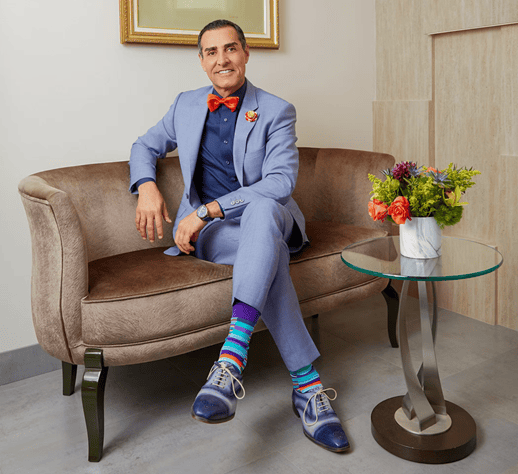
Dr. Kevin Satati is a board-certified plastic surgeon specializing in facial rejuvenation and aesthetic surgery. His practice is dedicated to delivering results that are artful, personalized, and above all, natural.
Quiet Facelift FAQs
Is the Quiet Facelift performed under general anesthesia?
No, it is performed under twilight sedation or deep IV sedation in a certified surgery center, ensuring that your experience will be completely safe and comfortable. Similar to colonoscopy anesthesia, you will not remember the surgery, wake up easily without nausea or vomiting.
Are any scars noticeable after the procedure?
In order to minimize scarring, all incisions are made either in the hairline or around the ear, which allows incision lines to blend into natural creases and become virtually invisible. Since there is no tension on the skin, there are minimal chances of scarring. Most patients notice
How is a Quiet Facelift different from a mini facelift?
While a mini facelift only targets the lower face by lifting the skin only, the Quiet Facelift addresses a wider region encompassing the mid face, lower face, and neck areas by lifting the SMAS to its youthful and original position, creating a natural look at the same time.
What age would be considered right for a Quiet Facelift?
There's no specific answer since it greatly depends on the patient's individual preferences. However, the ideal candidates range between their early forties and late sixties. Nevertheless, it's up to you to decide whether you are ready to undergo this procedure.
Is it possible to skip the surgery and resort to non-surgical techniques instead?
While some non-surgical methods can provide a temporary improvement, they simply can't compete in terms of effectiveness with the actual surgical procedures, as they cannot perform the required restructuring and tightening.