A Facelift Should Meet You Where You Are

Aging doesn’t arrive all at once. It happens gradually, in phases, and the way we treat it should evolve just as thoughtfully. Whether you’re just beginning to notice changes in your 40s or looking to restore definition in your 70s, Dr. Kevin Sadati adapts each facelift to meet you where you are, respecting your anatomy, goals, and lifestyle. The result is a refreshed appearance that feels natural and right for your age.

Intro background

Why Age-Specific Facelifts Matter

No two faces age the same, and different decades bring different concerns. Younger patients may notice early skin laxity or jawline softening, while older patients often experience more significant volume loss, deep folds, or neck banding. Attempting to treat all of these the same way leads to unnatural results or missed opportunities for improvement.

Dr. Sadati understands the nuances of facial aging and uses his deep knowledge of anatomy and artistry to select the right technique for the right moment. From subtle refinement to full structural lifting, his goal is always the same: to help you look like yourself, just more vibrant and at ease.

Banner media
Doctor media

Why Choose Dr. Kevin Sadati?

With 22 years of experience and over 5,000 facial procedures under his belt, Dr. Sadati is one of the country’s most experienced and trusted facelift surgeons. His reputation is built not only on his surgical skill, but on his ability to meet each patient where they are—physically, emotionally, and aesthetically. Whether you’re seeking subtle refreshment or dramatic rejuvenation, you’ll receive a customized plan, thoughtful guidance, and results that truly honor your age and identity.

Schedule Your Consultation

If you’re ready to explore the right facial rejuvenation for your age and stage, schedule your consultation with Dr. Sadati today. There’s no wrong time to feel like yourself again.

Banner media

Explore Facelift Options by Age

Every facelift should be as unique as the person receiving it. Click below to learn more about Dr. Sadati’s approach for each decade:

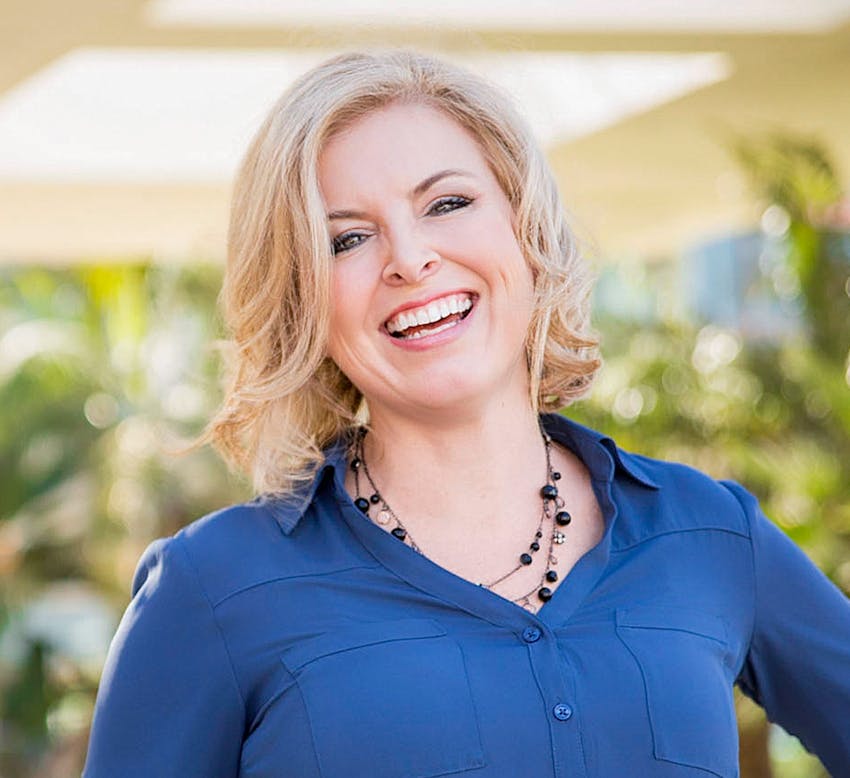
patient smiling with blue dress *Real Patient
Forties

Forties

Subtle signs of aging don’t require dramatic change—just the right approach at the right time.

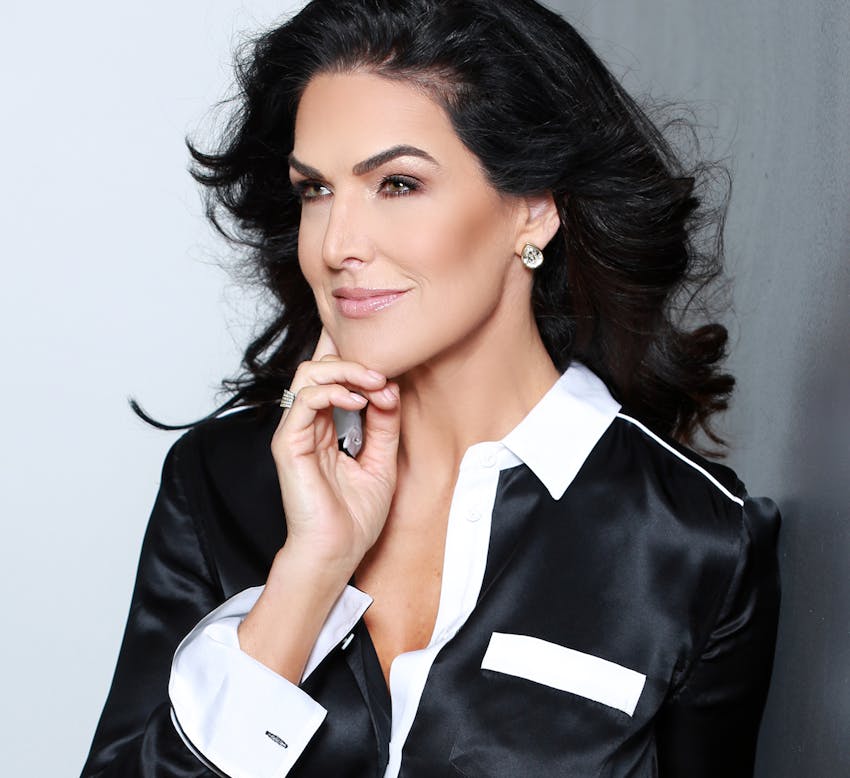
Woman in a black silk blouse *Real Patient
Fifties

Fifties

Restore what time has softened; regain youthful contours and feel at home in your appearance again.

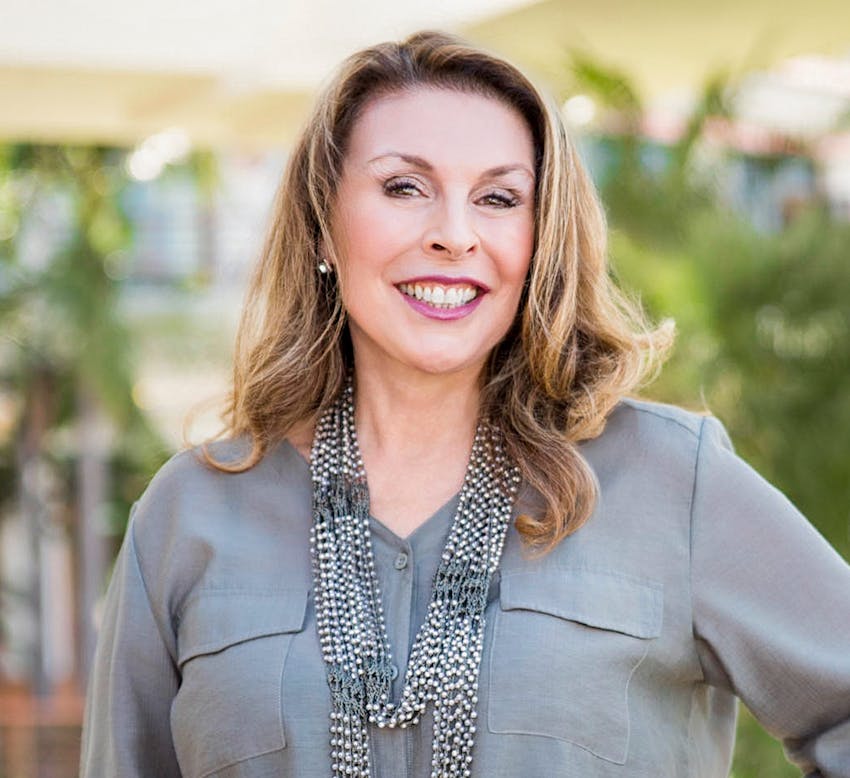
patient smiling outside *Real Patient
Sixties

Sixties

Reclaim a sense of vibrancy with a natural lift that reflects your confidence, not your age.

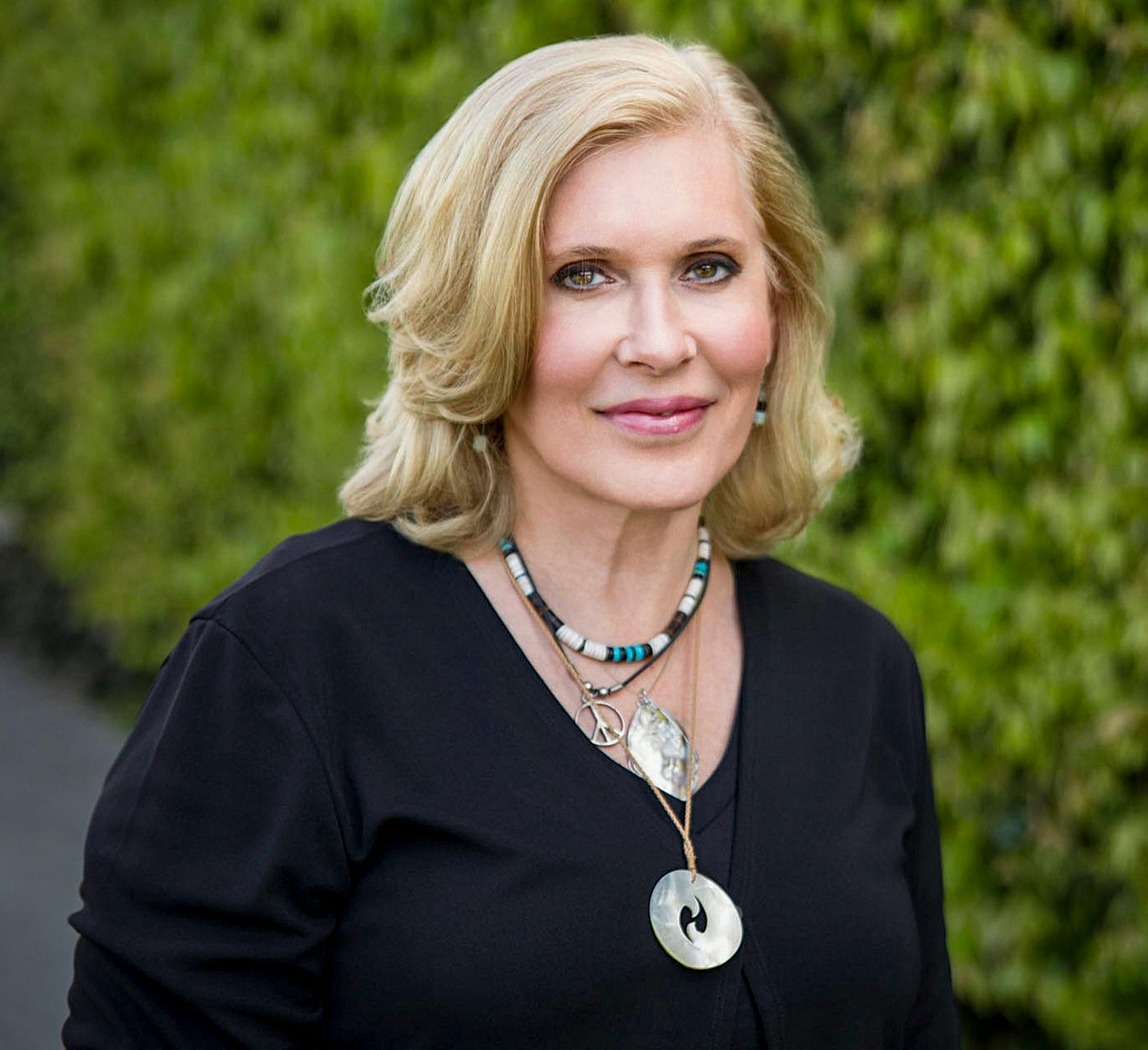
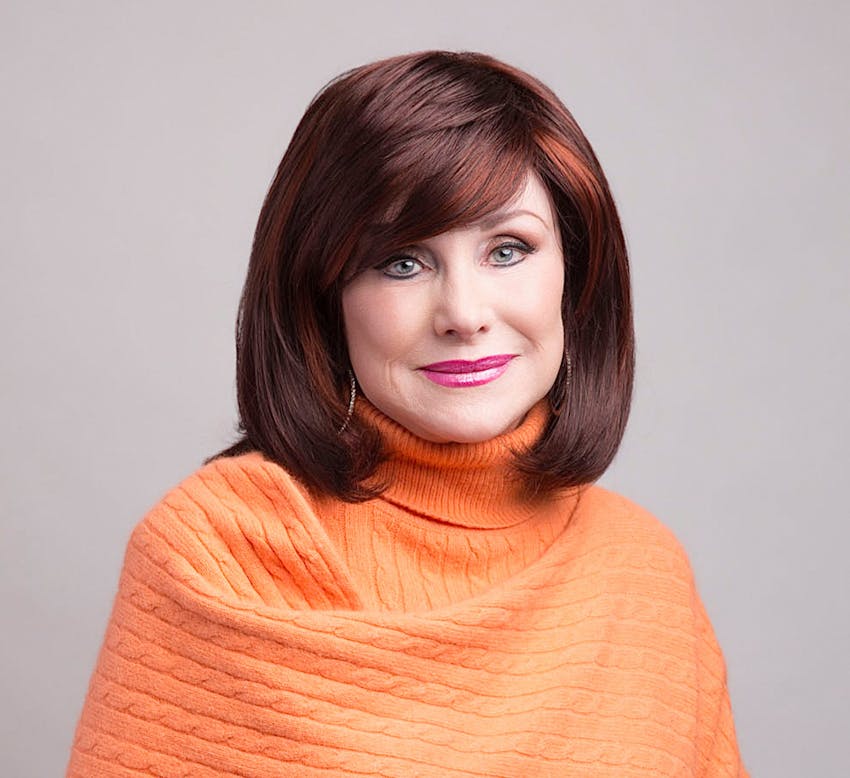
woman in bright orange sweater with short bob *Real Patient
Seventies

Seventies

A graceful approach to aging—with results that reflect your vitality, not your years.

FAQs

What is the best age to get a facelift?

There's no single best age for a facelift, because facial aging unfolds differently for everyone. Most patients pursue surgery somewhere between their 40s and 70s, and the right moment depends far more on your skin quality, anatomy, and goals than on a number. Dr. Sadati's philosophy is to meet you where you are and tailor the approach to your stage of aging, so the result always looks natural and age-appropriate.

Is there an age limit for a facelift?

There is no specific age limit for a facelift. In my experience, a patient’s overall health, anatomy, and goals matter far more than their age. I have treated healthy patients in their 70s and 80s who achieved excellent, natural-looking results. The key is whether the procedure can be performed safely and whether facial and neck aging changes can be meaningfully improved. A consultation is the best way to determine candidacy.

Can you get a facelift in your 40s?

Yes, a facelift in your 40s can be an excellent choice when early skin laxity or softening along the jawline begins to appear. At this stage, subtle changes usually call for a more conservative, refined approach rather than dramatic lifting. Addressing these signs earlier often means a gentler procedure and results that help you age more gracefully over time. In addition, younger patients will heal faster.

Am I too old for a facelift in my 60s or 70s?

Age is just a number, not a limitation. Patients in their 60s and 70s represent some of the most frequent and satisfied candidates for facelift surgery. These patients generally exhibit greater degrees of volume loss, deeper facial folds and more severe neck banding, which can be completely corrected to produce an extremely natural and dramatic result. Ultimately, your overall health and quality of skin are of primary importance and will be carefully evaluated by Dr. Sadati during your consultation. With use of twilight sedation rather than general anesthesia, even elderly patients in good health experience a smooth and safe recovery. For details on modern deep-plane adjustments for advanced aging, view the Preservation Facelift details.

Why does age matter when planning a facelift?

Each decade presents unique concerns, and uniform treatment leads to results that appear unnatural or to less-than-optimal improvements. Young patients generally require only minor refinements to correct initial laxity, whereas older patients achieve greater overall improvement with a more complete, structural approach to restore lost volume and definition. Appropriate techniques are selected to achieve optimal results for each stage of life, and provide a sense of balance, age-appropriateness and natural facial balance to the face that is not achieved with a one-size-fits-all approach applied regardless of the age of the patient.

Does a facelift in your 40s differ from one in your 60s or 70s?

Yes, the approach changes substantially with each decade. In your 40s, the emphasis is generally on mild, preventive refinement to correct initial signs of aging before they become more severe, procedures like mini deep plane facelift. In your 50s and 60s, attention is directed to restoration of soft contours and definition, whereas surgery in your 70s primarily corrects more severe losses of volume and changes of the neck which requires a preservation deep plane facelift. The procedure, extent and combination of techniques are carefully adapted to reflect precisely your stage of the aging process, and never applied in a routine, standardized manner.

When is the best time for a facelift, early in life or only when you reach your 60s?

The answer is not universal, because optimal timing depends on highly individual factors. Your personal goals, facial anatomy and expectations about the appearance of aging ultimately determine the appropriate timing. But there are definite advantages to early intervention with less invasive techniques. Recovery is more rapid and satisfactory in young skin, and there is more time over which to enjoy results. In addition, minor, continuous changes are easier to maintain for many years than is a single dramatic operation. As a result, the process of aging is controlled gradually and continuously. Alternatively, some individuals choose to wait until signs of aging become more pronounced before opting for a comprehensive preservation deep plane facelift in a single surgical session. Neither strategy is inherently better than the other; the decision is deeply personal and depends on factors unique to every patient. A consultation with Dr. Sadati ensures a transparent and thorough evaluation of your specific needs to determine the most effective timing for your procedure.

Does undergoing a facelift earlier in life increase its longevity?

Although a facelift cannot completely stop the inevitable process of aging, earlier intervention allows for a more conservative surgical approach and provides a proactive method of maintaining youthful appearance for a longer period. Whatever time you select for beginning treatment, longer-lasting results are achieved with emphasis on restoration of the deeper architecture of the face rather than on correction of skin changes alone. Complementary measures of consistent skin care, rigorous protection against sun exposure and maintenance of a stable weight are critically important for long-term preservation of your aesthetic results regardless of your age at the initiation of treatment.

Should I opt for a full facelift or a less invasive alternative for my age?

This choice is dictated by your specific goals and your current stage in the aging process. Younger patients experiencing early signs of aging often find that a limited or targeted procedure meets their needs, whereas those with more significant changes may require comprehensive lifting. Dr. Sadati focuses on recommending the most minimally invasive technique possible that still achieves the natural, long-term results you desire. Some patients elect to await more extensive signs of aging and then undergo a more complete facelift in one operation. Neither approach is objectively superior to the other. Because the choice is so individual and reflects conditions unique to each patient, consultation with Dr. Sadati provides complete and honest discussion of individual requirements and leads to optimal timing for each patient. Review the array of procedures available on the Facelift Procedures menu.

Will getting a facelift at a younger age make it last longer?

A facelift doesn't stop aging, but addressing changes earlier can mean a more conservative procedure and a head start on maintaining your appearance. Regardless of the age you begin, results are long-lasting when the lift is built on the deeper structures of the face rather than the skin alone. Good skincare, sun protection, and a stable weight help preserve your results at any age.

Do I need a full facelift, or is something less invasive right for my age?

This depends entirely on the extent of your aging, your facial anatomy and your expectations. Patients with early signs of laxity, such as mild jowling or reduced definition of the cheek, generally achieve excellent results with a limited or highly individualized approach directed to specific areas with minimal surgical intervention. Those with more advanced changes, such as severe skin laxity, deep folds and/or banding of the neck, generally require a more extensive restoration of facial structure like preservation deep plane facelift involving the midface, lower face and neck as a single coordinated unit. My objective is always to provide the least invasive treatment that will produce a completely natural and long-lasting result, rather than to default to the most extensive procedure available requiring long recovery. At the time of consultation, I will evaluate the quality of your skin, the configuration of your underlying bone structure and the degree of facial aging. Based on this information, I will discuss with you the approach that best fulfills your requirements. Ultimately, we will achieve a result that reflects your natural facial appearance, with the appearance of only mild rejuvenation, and not of an unnecessarily aggressive or excessive intervention.

Half image accent
Accessibility: If you are vision-impaired or have some other impairment covered by the Americans with Disabilities Act or a similar law, and you wish to discuss potential accommodations related to using this website, please contact our Accessibility Manager at (949) 694-7657.
Contact Us