Elevating the Standard of Facial Rejuvenation

Aging gracefully doesn’t mean settling for a face that no longer reflects your inner vitality. The Preservation Deep Plane Facelift is the next generation in facial rejuvenation, refining the results of the deep plane approach while reducing trauma and recovery time. At our Newport Beach practice, Dr. Kevin Sadati—an award-winning facial plastic surgeon and national thought leader—delivers custom facelifts that elevate and preserve your unique beauty without the “done” look.

Intro background
woman with long dark hair in red blazer looking forward

*Actual Patient

What Is a Preservation Facelift?

A Preservation Facelift is a surgical facial rejuvenation technique that lifts the midface, lower face, and neck by repositioning deep structures beneath the skin while preserving the ligaments and soft tissue integrity that give the face its natural shape and movement. This approach avoids over-pulling the skin, instead gently supporting aging facial features from their foundation. Compared to older techniques, the Preservation Facelift prioritizes blood flow, minimizes trauma, and creates soft, elegant results.

Half image accent

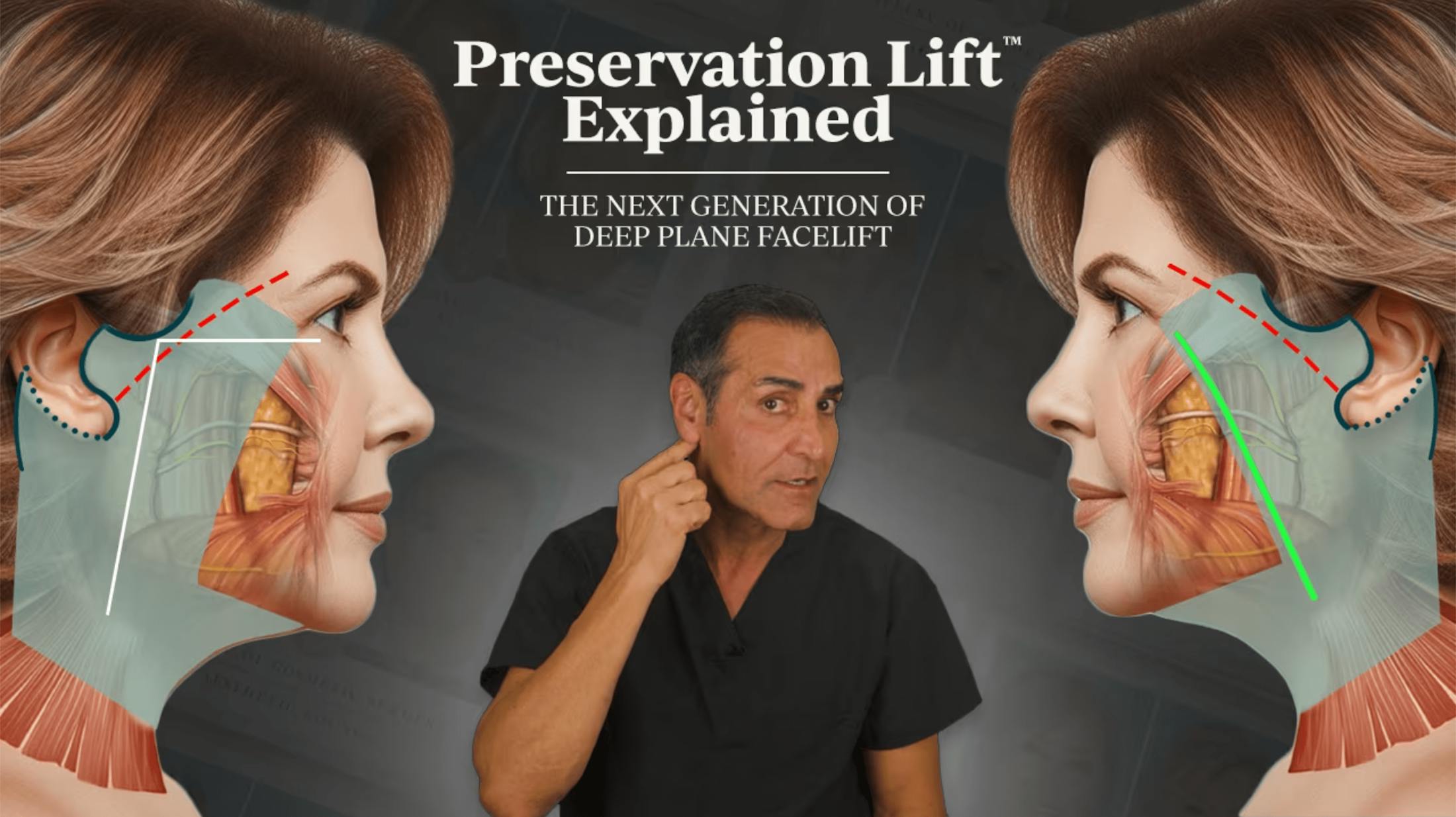
Dr. Sadati's Preservation Lift Explained

preservation facelift video

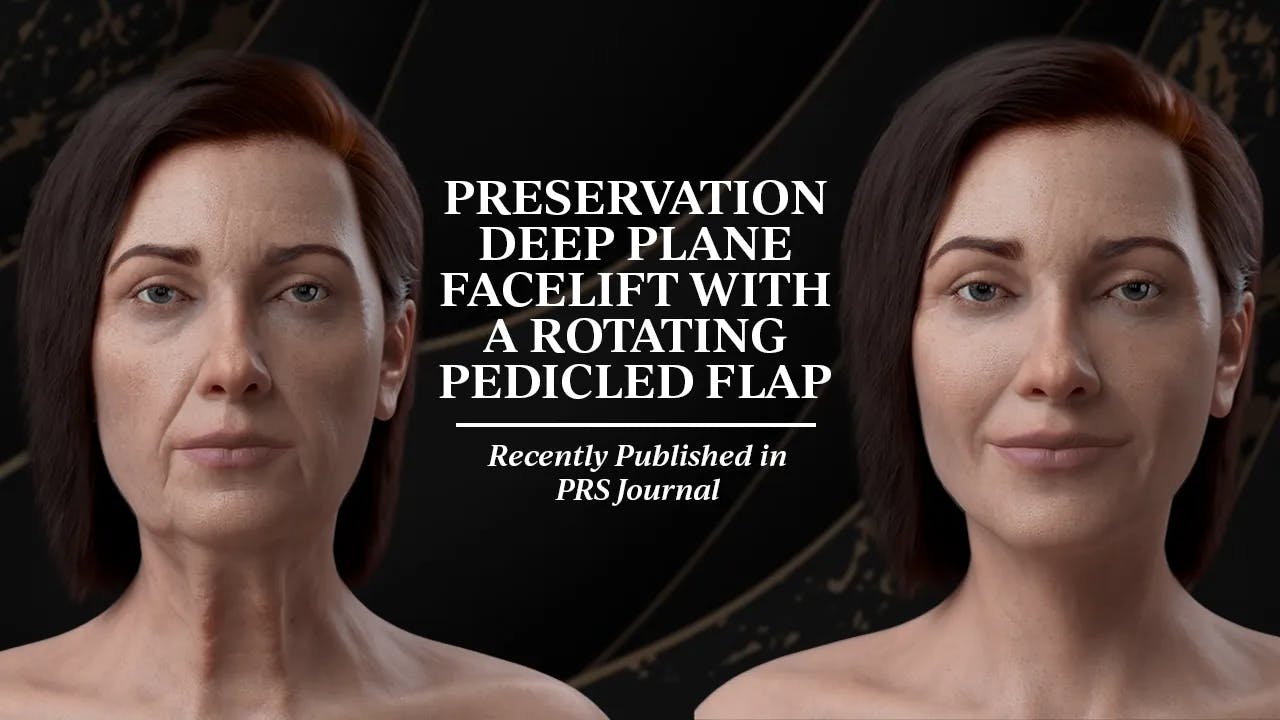
The Preservation Facelift in 3D by Dr. Sadati

Read “The Preservation Deep Plane Facelift”
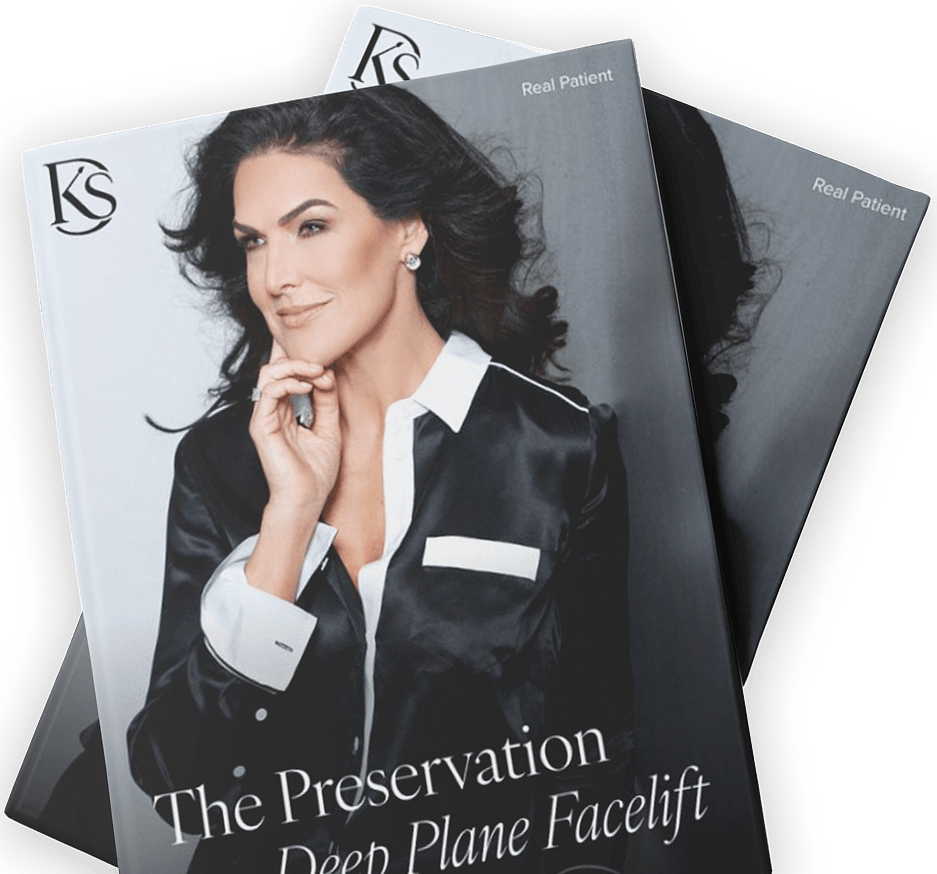
Digital Booklet by Dr. Kevin Sadati

We’ve prepared a digital book with everything you need to know about the Preservation Deep Plane Face & Neck Lift. Inside you’ll find Patient Testimonials, Recovery Protocols, Digital animations walking you through each step of the procedure, and much more!

This field is required.
Learn More

Discover the Possibilities Schedule a Consultation

Contact Us
Contact us media

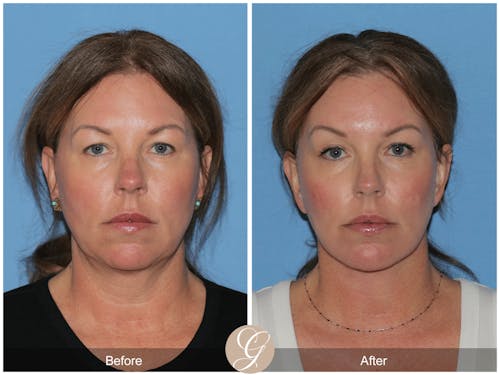
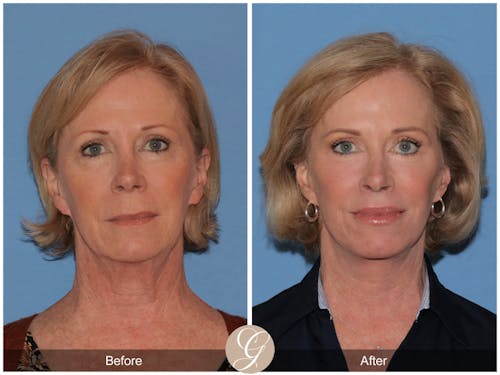
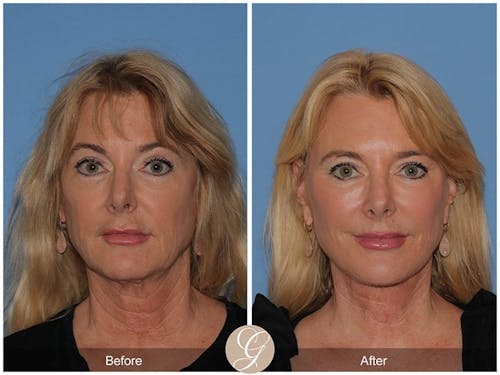
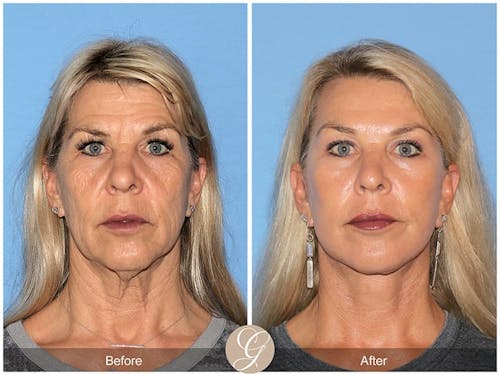
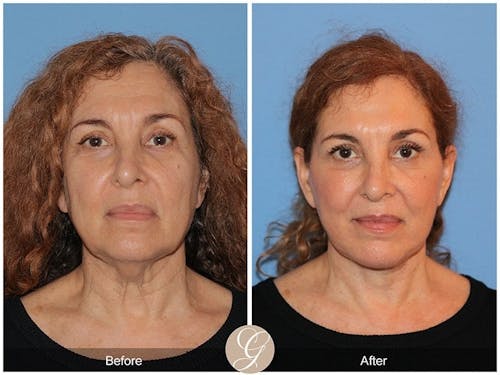
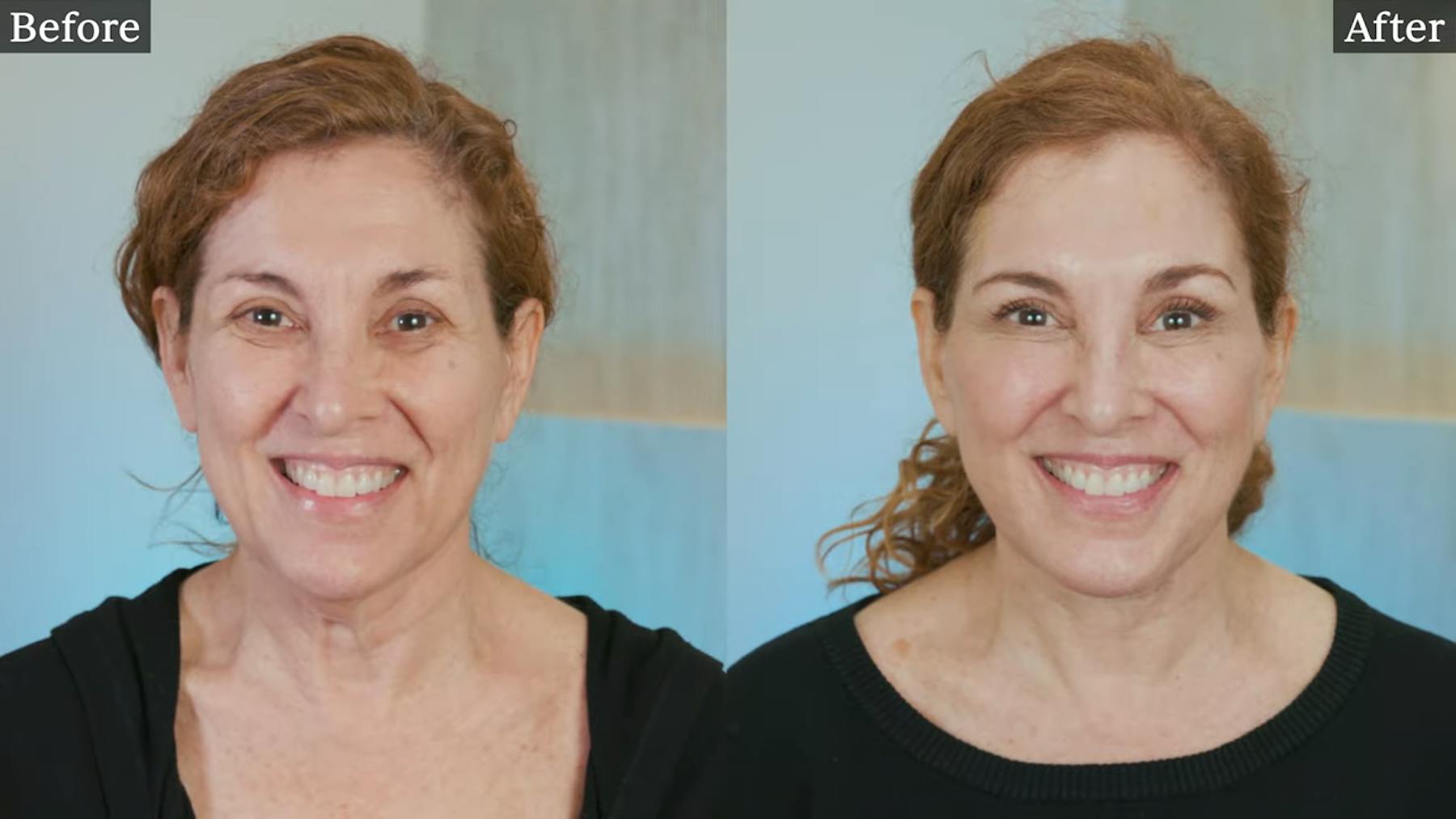
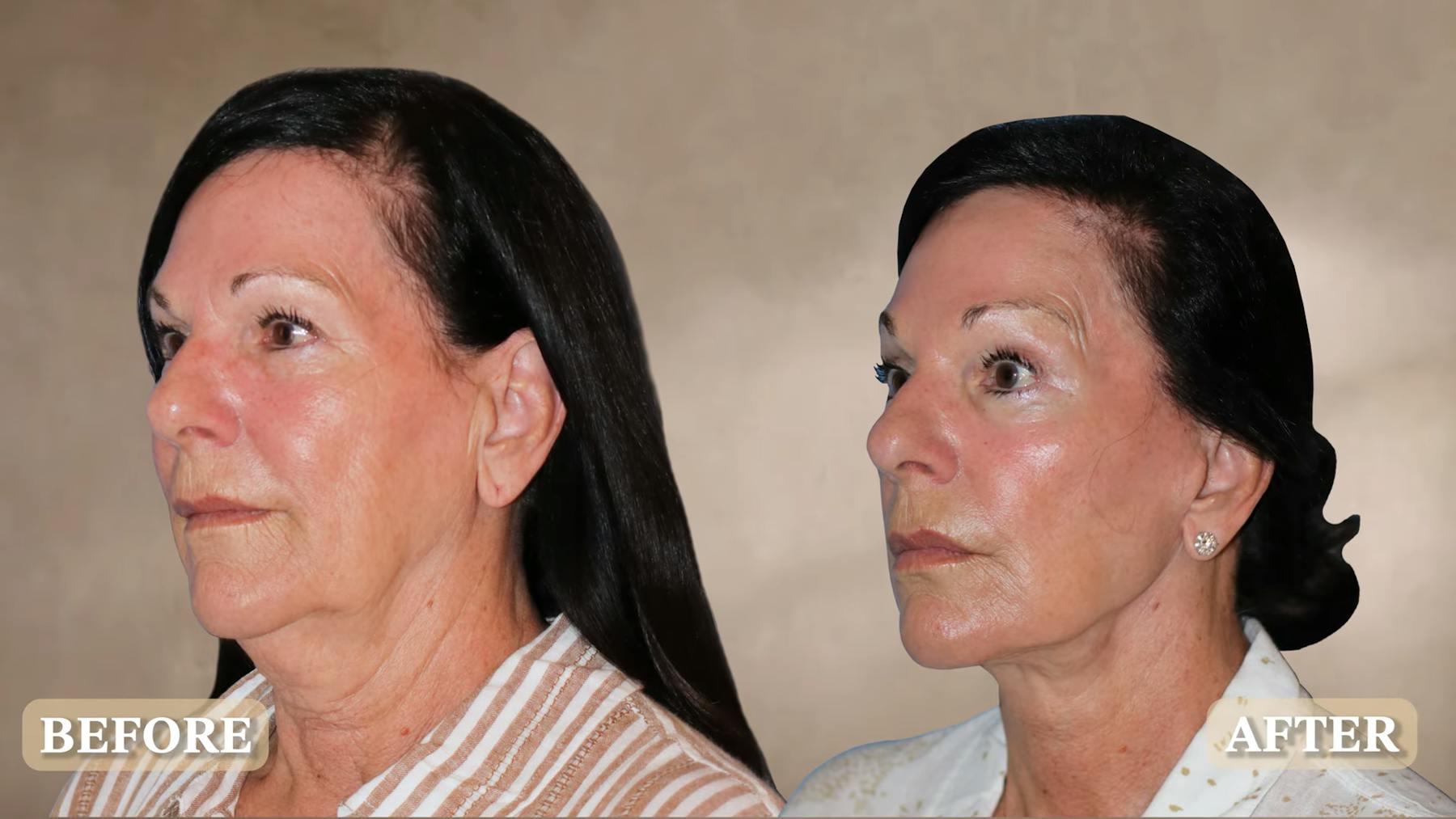
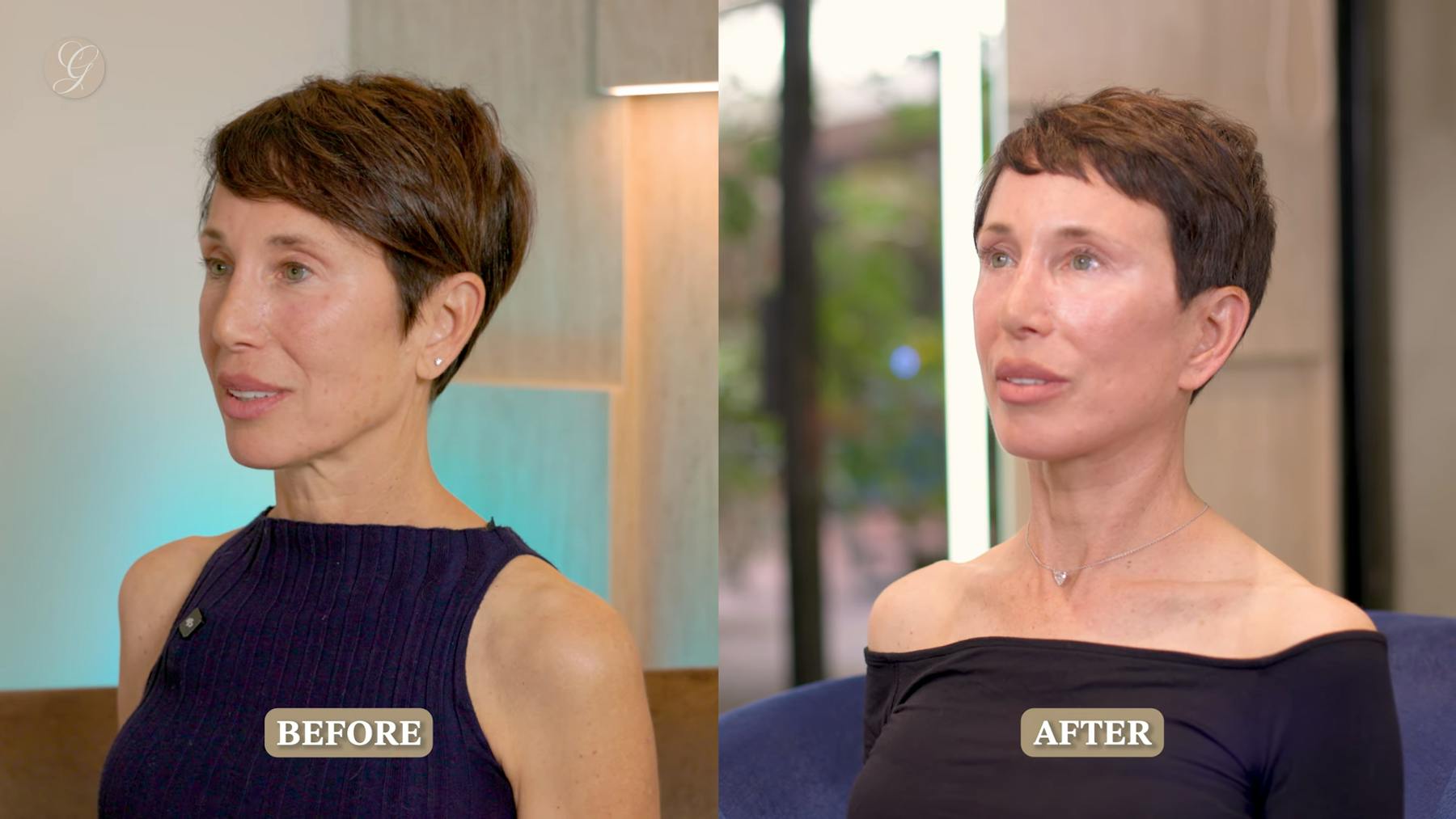
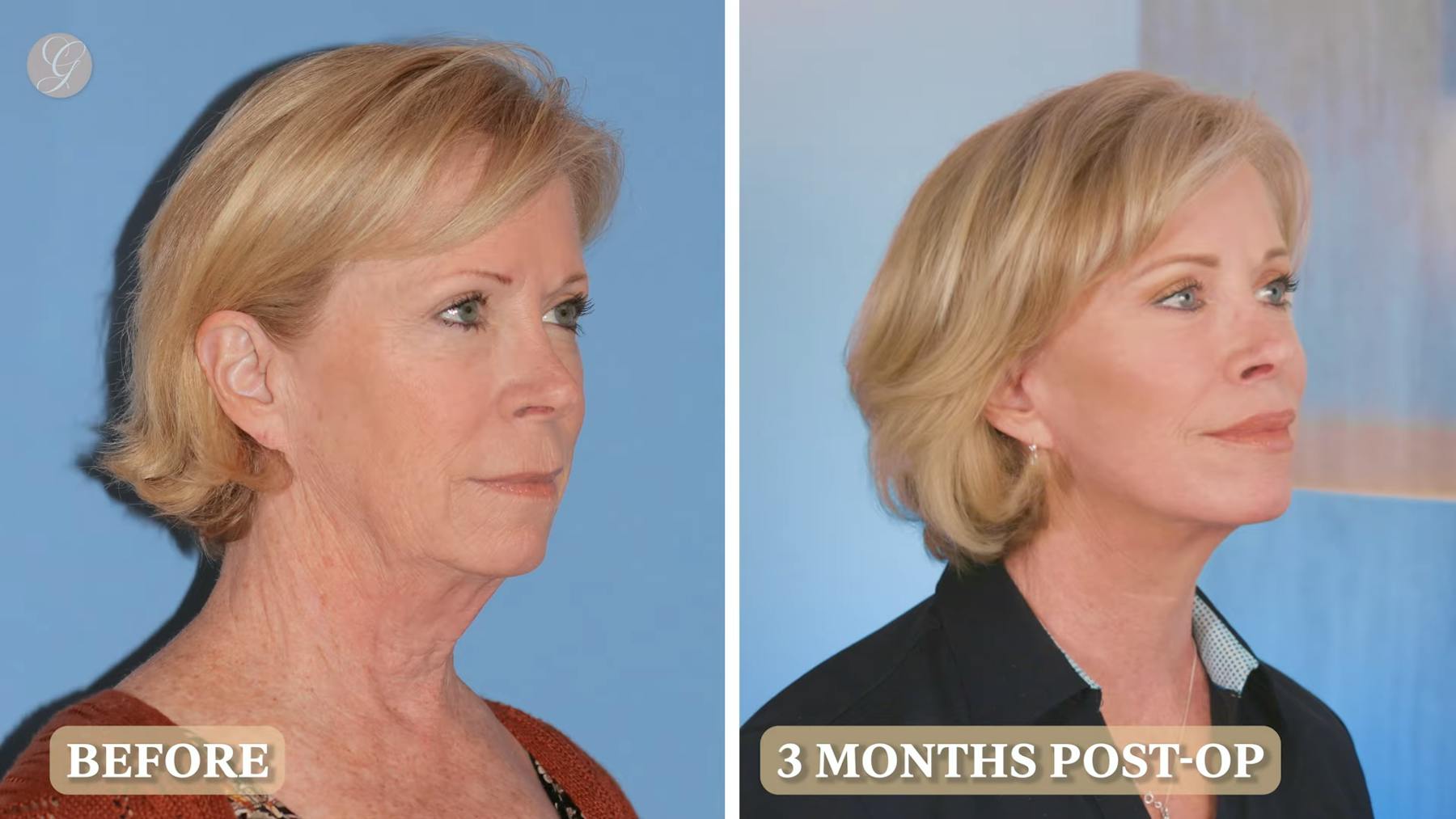
Preservation FaceliftBefore & After Feature

Comparing Techniques Traditional vs. Preservation Deep Plane

In traditional facelifts, surgeons often separated the skin from the deeper tissues and pulled it tight—a method that can result in tightness, pulled mouth, irregular contours, unnatural look, and scars. The Preservation Deep Plane Facelift improves results by limited skin elevation while releasing the deeper retaining facial ligaments in order to lift midface, lower face, and the neck in a vertical lift direction. Key differences include:

  • Skin Preservation: Traditional facelifts undermine large areas of skin. The Preservation technique minimizes skin dissection to maintain blood flow, reduce complications, and promote healing.
  • Natural Lift: The Preservation Lift goes beyond traditional horizontal skin tightening. Dr. Sadati carefully releases the deep retaining ligaments that anchor the SMAS to the underlying structures, then lifts it vertically. This advanced technique rejuvenates the face in a natural, balanced way—without placing tension on the skin.
  • Comprehensive yet Conservative: The Preservation Facelift treats the midface, lower face, and neck while protecting the facial fat pads and structural harmony.

This technique represents a synthesis of high SMAS and deep plane methodologies, offering the depth and longevity of advanced lifting, with the refined elegance of modern preservation principles.


Banner media

The Benefits of a Preservation Facelift

  • Preserves natural beauty: Maintain your facial identity while enhancing youthfulness.
  • Minimizes recovery: Less skin trauma means reduced swelling and quicker healing.
  • Reduces risks: There’s a lower chance of hematoma or skin necrosis due to preserved blood flow.
  • Lifts from within: Target deeper tissues for longer-lasting, structural rejuvenation.
  • Delivers natural contours: Avoid older techniques’ stretched or “windblown” look.
  • Improves multiple zones: Elevate the cheeks, define the jawline, and smooth the neck.

Step into our office

Logo media
office couch

Step into our office

Is the Preservation Facelift Right for Me?

Ideal candidates for a Preservation Facelift are in their 40s to 70s, with moderate to advanced signs of aging in the mid and lower face or neck. If you’ve had a prior facelift and seek a more natural revision, or if you’re seeking your first surgery but want to avoid the traditional “tight” appearance, this may be the right procedure for you. Dr. Sadati will assess your skin quality, bone structure, and goals to personalize your approach.

What to Expect The Preservation Facelift Process

  1. Consultation: Dr. Sadati will review your facial anatomy and aesthetic goals to determine candidacy and create a tailored plan.

  2. Anesthesia and Preparation: The procedure is performed under local anesthesia with twilight sedation—no general anesthesia required.

  3. Incisions: Small, discreet incisions are made around the ears and hairline.

  4. Deep Tissue Release: Ligaments beneath the SMAS layer are gently released and repositioned for a vertical lift.

  5. Skin Redraping: The skin is redraped without tension and excess trimmed, preserving a soft, natural drape.

  6. Recovery and Results: Most patients resume daily activities within 10–14 days. Final results evolve over 3–6 months and last over a decade.

Background media
Dr. Kevin Sadati

Why Choose Dr. Kevin Sadati?

Dr. Sadati is a board-certified facial plastic surgeon and ENT specialist with 22 years of experience and more than 5,000 face and neck lifts. Renowned for his surgical finesse and artistry, he is the creator of the award-winning Natural Facelift and a pioneer of the Preservation Deep Plane technique in Southern California.

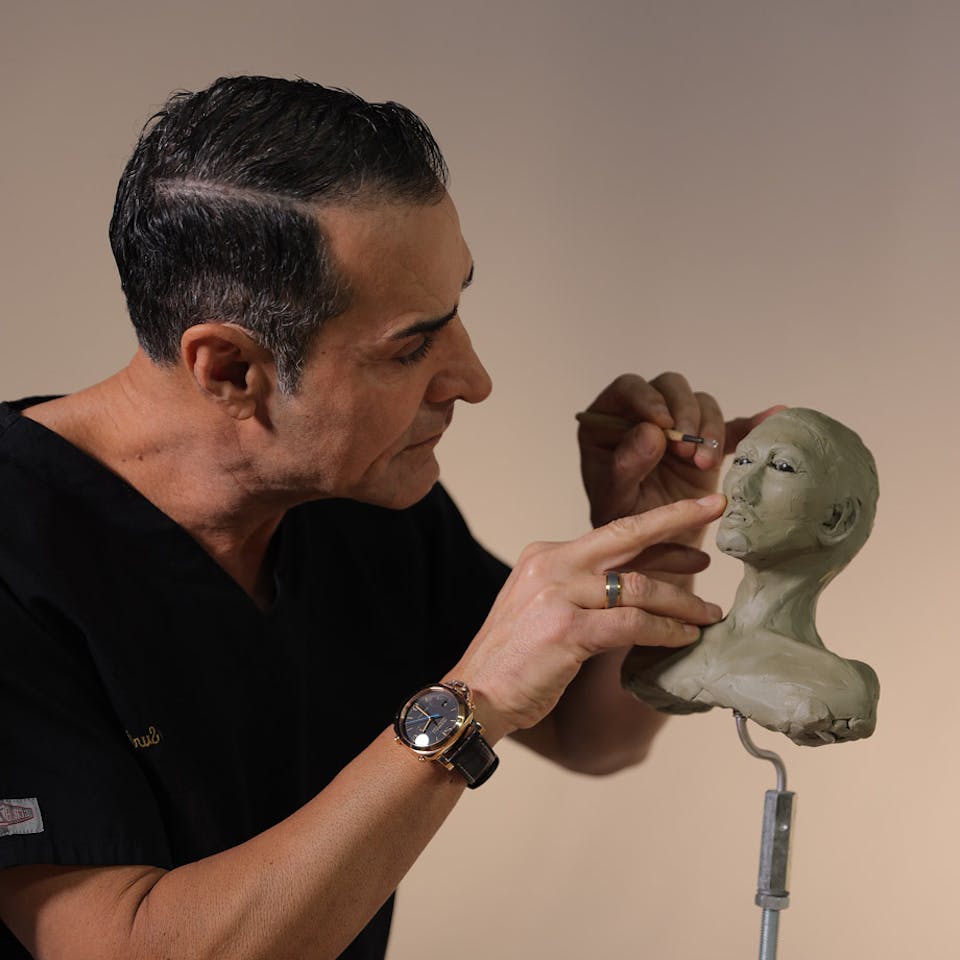
He combines his medical mastery with a sculptor’s eye to ensure subtle, harmonious, and personalized results.

Published Articles

Advancements in Facelift Techniques: Preservation Facelift with a Rotating Pedicle Flap

Advancements in Facelift Techniques: Preservation Facelift with a Rotating Pedicle Flap

Read More
A Scientific Defense of the Preservation Facelift Approach

A Scientific Defense of the Preservation Facelift Approach

Read more about A Scientific Defense of the Preservation Facelift Approach
Deep Neck Surgery in Deep Plane Facelifts - Learning from Evidence and Experience

Deep Neck Surgery in Deep Plane Facelifts - Learning from Evidence and Experience

Read more about Deep Neck Surgery in Deep Plane Facelifts - Learning from Evidence and Experience
Triple-C SMAS Plication Facelift for Natural Face Rejuvenation

Triple-C SMAS Plication Facelift for Natural Face Rejuvenation

Read more about Triple-C SMAS Plication Facelift for Natural Face Rejuvenation
The Double

The Double "C" Plication Technique: A Reliable Technique for Lower Facial Rejuvenation

Read more about The Double "C" Plication Technique: A Reliable Technique for Lower Facial Rejuvenation
Platelet-Rich Plasma (PRP) Utilized to Promote Greater Graft Volume Retention in Autologous Fat Grafting

Platelet-Rich Plasma (PRP) Utilized to Promote Greater Graft Volume Retention in Autologous Fat Grafting

Read more about Platelet-Rich Plasma (PRP) Utilized to Promote Greater Graft Volume Retention in Autologous Fat Grafting

Additional References:

Schedule Your Newport Beach Preservation Facelift Consultation

Ready to explore a more advanced, natural way to rejuvenate your appearance? Schedule a private consultation with Dr. Kevin Sadati today to learn if a Preservation Deep Plane Facelift in Newport Beach suits you.

Accent media
Accent media
Accent background

FAQs

How is a preservation facelift different from a traditional facelift?

The major difference between a preservation facelift and a conventional facelift is the specific tissues treated. With the preservation approach, an advanced deep-plane technique releases the deep tethering ligaments and elevates the underlying structures vertically with minimal dissection to maintain vascular supply. As a result, the skin is not repositioned, and the technique produces less trauma, a lower incidence of complications and a more natural, age-appropriate result that avoids an overdone or artificial appearance. By contrast, conventional facelift techniques are based on entirely different principles. The skin is dissected away from deeper structures, elevated and approximated to a tensioned position. This invariably leads to distortion of facial contours and to the characteristic "pulled" appearance that many patients wish to avoid. All of these disadvantages are entirely absent with the preservation approach, which completely eliminates the need for aggressive manipulation of the skin.

Is the preservation facelift the same as a deep plane facelift?

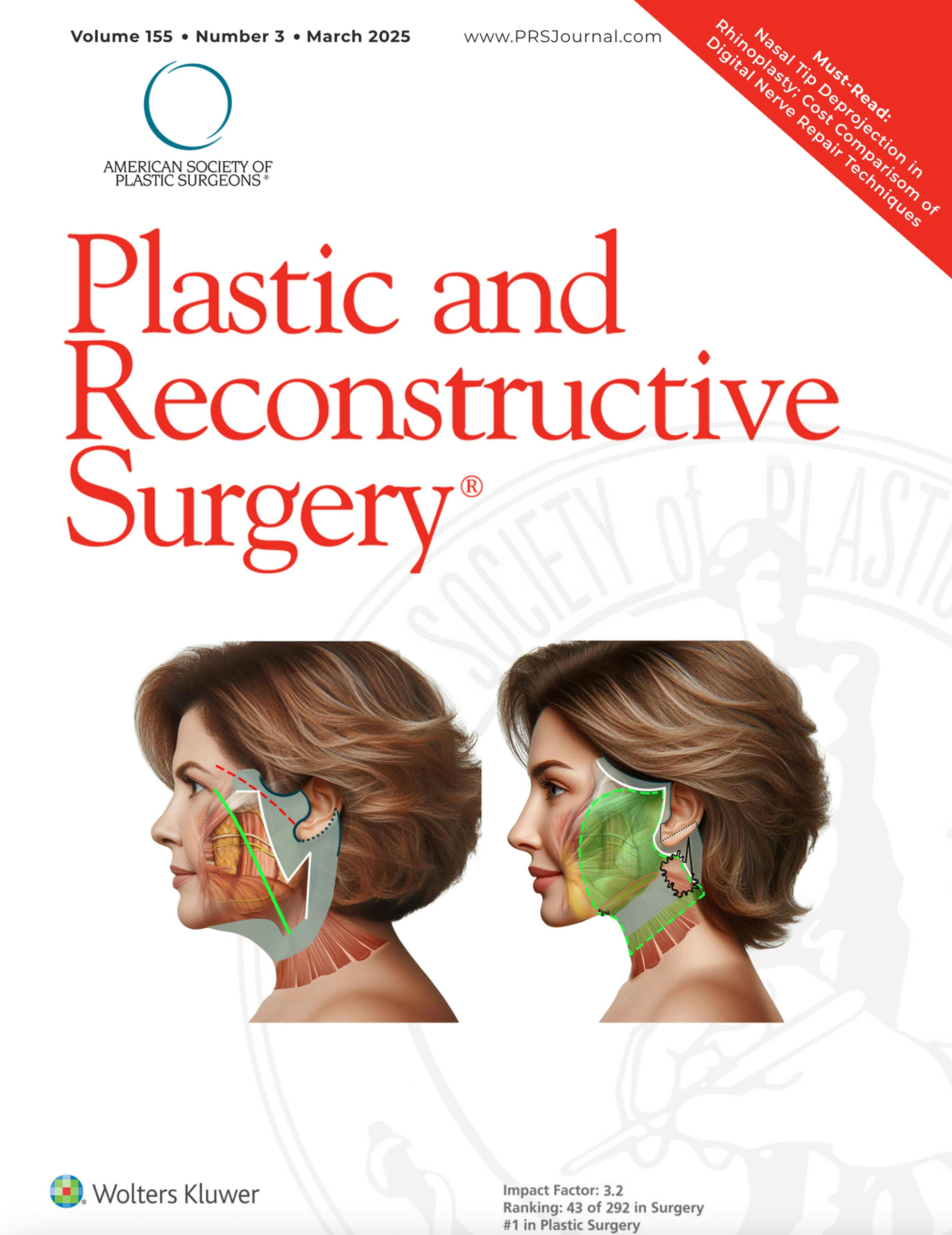
It represents a refinement of the deep plane approach. The technique incorporates principles of deep plane surgery but minimizes skin elevation to preserve the integrity of facial fat pads, ligaments and vascular supply. As a result, Dr. Sadati combines the long-term effects and degree of facial rejuvenation achieved with high-SMAS and deep plane techniques, with the aesthetic results of modern methods of preservation. In clinical practice, this results in a similar degree of facial rejuvenation, reduced postoperative edema and a faster, more satisfactory recovery for patients. The technique has been published in the highly respected journal Plastic and Reconstructive Surgery, and further illustrates the validity of the approach. Explore your surgical options on the Facelift Procedures overview.

Am I a good candidate for a preservation facelift?

Candidates who are between 40 and 70 years of age with moderate to advanced signs of aging in the neck, lower or midface regions are best suited for this procedure. Patients who desire to avoid an overdone, tight appearance are equally appropriate. In addition, patients who previously underwent a facelift and desire a more natural result will derive particular benefit. Final determination of suitability, however, requires an individual consultation with Dr. Sadati. During this examination, attention is given to your skeletal architecture, quality of skin and aesthetic expectations. Based on these observations, a completely individualized plan of care is developed to reflect your unique patterns of facial anatomy and to achieve optimal aesthetic results. Instead of applying a standardized approach, each treatment plan is designed to meet individual requirements and to produce results that are fully consistent with your natural facial appearance. See how treatment varies over time on the Facelift by Age page.

Is the preservation facelift performed under general anesthesia?

No; it is performed with local anesthesia and twilight sedation, and thus general anesthesia is unnecessary. This results in a more physiologic procedure and provides a more rapid, comfortable recovery with fewer risks associated with full anesthesia, including prolonged recovery time or complications of anesthesia. As a result, most patients feel particularly reassured by the ability to achieve substantial, structural rejuvenation without added risk. The technique of Dr. Sadati provides optimal patient comfort throughout the procedure and with a minimum level of risk associated with sedation. Consequently, patients experience a rapid return to normal activities, minimal postoperative discomfort and an overall experience of exceptional satisfaction. This represents one of the most attractive features of the preservation facelift for patients who are generally reluctant to undergo surgical procedures. The technique of Dr. Sadati permits continuous patient comfort throughout the procedure and maintains a state of lighter, safer sedation. This results in a more rapid return to normal activities, less postoperative discomfort and a more pleasant overall experience of surgery. For many patients, especially those with general reluctance to undergo surgical procedures, this is by far the most attractive feature of the technique of preservation facelift surgery.
How long is recovery after a preservation facelift?

Most patients resume their normal daily activities within 10 to 14 days. Edema and bruising are substantially less than with conventional facelift procedures, as a result of maintenance of vascular perfusion and reduction of tissue trauma. Final positioning of tissues occurs over the next 3 to 6 months, with further refinement of results. Individualized postoperative care by Dr. Sadati facilitates an uneventful course of healing and provides results that appear fully natural and not excessively reconstructed. No evidence of operative intervention is apparent.

Will my results look natural after a deep plane facelift?

The ultimate goal of the preservation approach is to achieve completely natural and undetectable results. With repositioning of deep tissues in a vertical direction, rather than traction on the skin, we avoid the overly pulled or stretched appearance characteristic of older facelift techniques. The result is a refreshed and rested appearance, not a suggestion that work has been performed. In particular, our techniques do not produce excessive tension at the eyes or mouth, loss of full cheek projection or other evidence of surgical manipulation. Instead, lost volume is restored, soft contours are reestablished and overall facial architecture is reinforced from within. Our emphasis on preservation of individual facial characteristics and of craniofacial architecture avoids the imposition of an overly uniform, highly tensed result. As a consequence, patients report that family members and friends merely perceive a general improvement in facial appearance reflecting greater vitality, health and attractiveness. No suspicion of facial surgery is ever expressed. Read about the original version of this philosophy on the Natural Facelift page.

How long does the Deep Plane Facelift results last?

Results of a deep plane facelift generally last more than 10 years, often longer. Because the rejuvenation is based on the deeper structural support of the face and not on skin alone, it produces results that are maintained significantly longer than are achieved with techniques that depend solely on skin tightening. Good skin care, continuous protection against sunlight and maintenance of a stable weight contribute to long-term maintenance of your results. Your continued aging is from a more rejuvenated basis, and not with the goal of obtaining a temporarily tight but ultimately unsatisfactory result.

Where are the incisions of deep plane facelift, and will there be visible scars?

Incisions are small and discreetly located around the ears and along the hairline, where they are easily concealed within your natural folds and hair. With reliance on repositioning rather than aggressive skin traction, tension on the incisions is markedly reduced to provide excellent, virtually invisible healing. The exquisite surgical skill of Dr. Sadati, based on more than 5000 facelifts and neck lifts, results in incisions that mature with such natural continuity that they are virtually impossible to detect even at close range.

How much does a deep plane facelift cost?

Investment for each patient varies, because each procedure of facial rejuvenation using deep plane facelift is artistically adapted to your individual anatomy, the regions being treated and your personal expectations. During your consultation, our staff will provide a complete discussion of cost and financing options, and will enable you to leave with a fully individualized estimate of cost instead of a general figure. For patients who prefer to plan in advance, options for financing also may be evaluated on our web site. This will allow you to proceed with confidence and convenience at the time you are ready to begin your treatment.

Half image accent
Accessibility: If you are vision-impaired or have some other impairment covered by the Americans with Disabilities Act or a similar law, and you wish to discuss potential accommodations related to using this website, please contact our Accessibility Manager at (949) 694-7657.
Contact Us